Building Scalable AI-Powered Applications
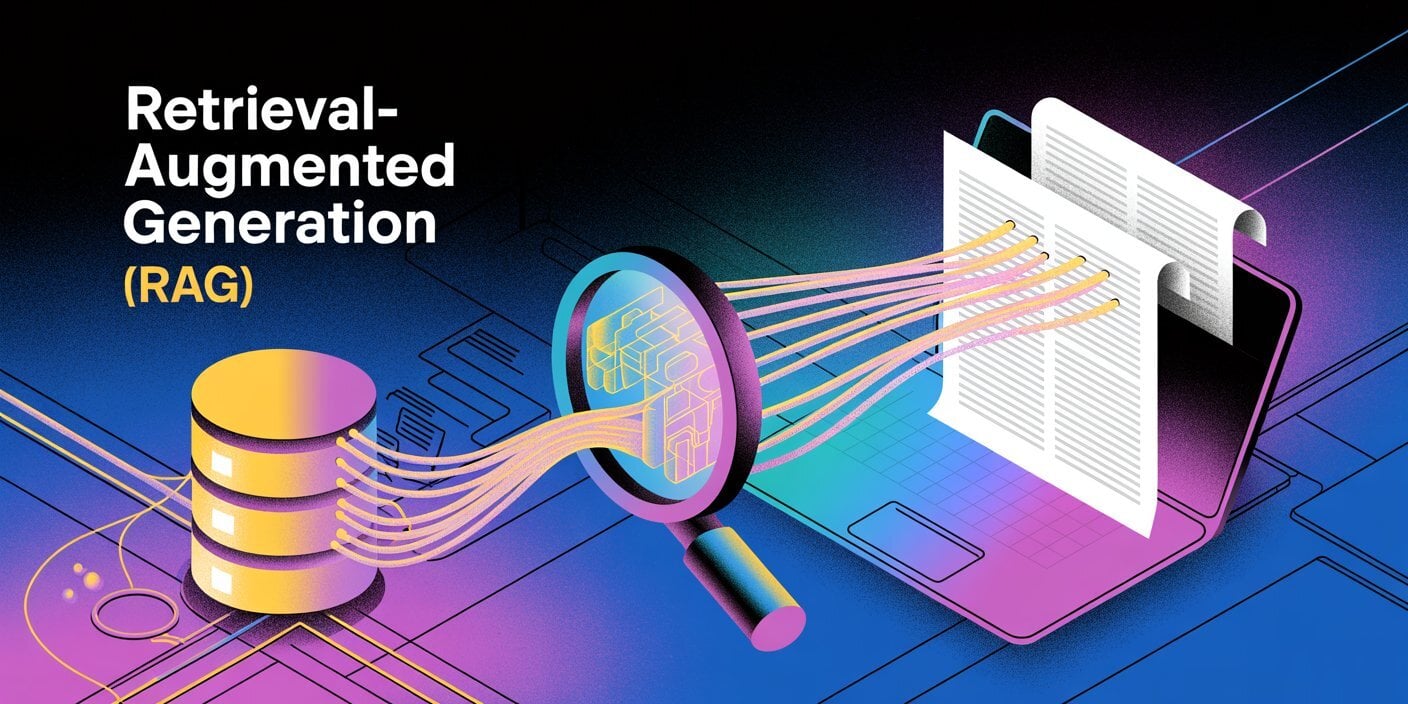
In today's rapidly evolving tech landscape, integrating AI and Large Language Models (LLMs) into production applications has become essential for building competitive solutions. As a Lead Full Stack Developer, I've had the opportunity to work extensively with AI integration, particularly in building RAG (Retrieval-Augmented Generation) systems.
Understanding RAG Systems
RAG systems combine the power of language models with external knowledge bases, allowing applications to provide accurate, context-aware responses. The key components include:
- Document Vectorization: Converting documents into embeddings that can be efficiently searched
- Retrieval Mechanisms: Finding relevant context from your knowledge base
- Generation: Using LLMs to generate responses based on retrieved context
Best Practices for Production
When building AI-powered applications at scale, consider these key practices:
- Implement proper error handling and fallback mechanisms
- Monitor token usage and API costs
- Cache frequently accessed data to reduce latency
- Implement rate limiting to prevent abuse
- Use async processing for long-running operations
Real-World Implementation
In my work at MIVIDA, I built document vectorization and indexing pipelines that improved search relevance by 90%. This involved processing hundreds of documents, ensuring the system could handle scale while maintaining accuracy.